
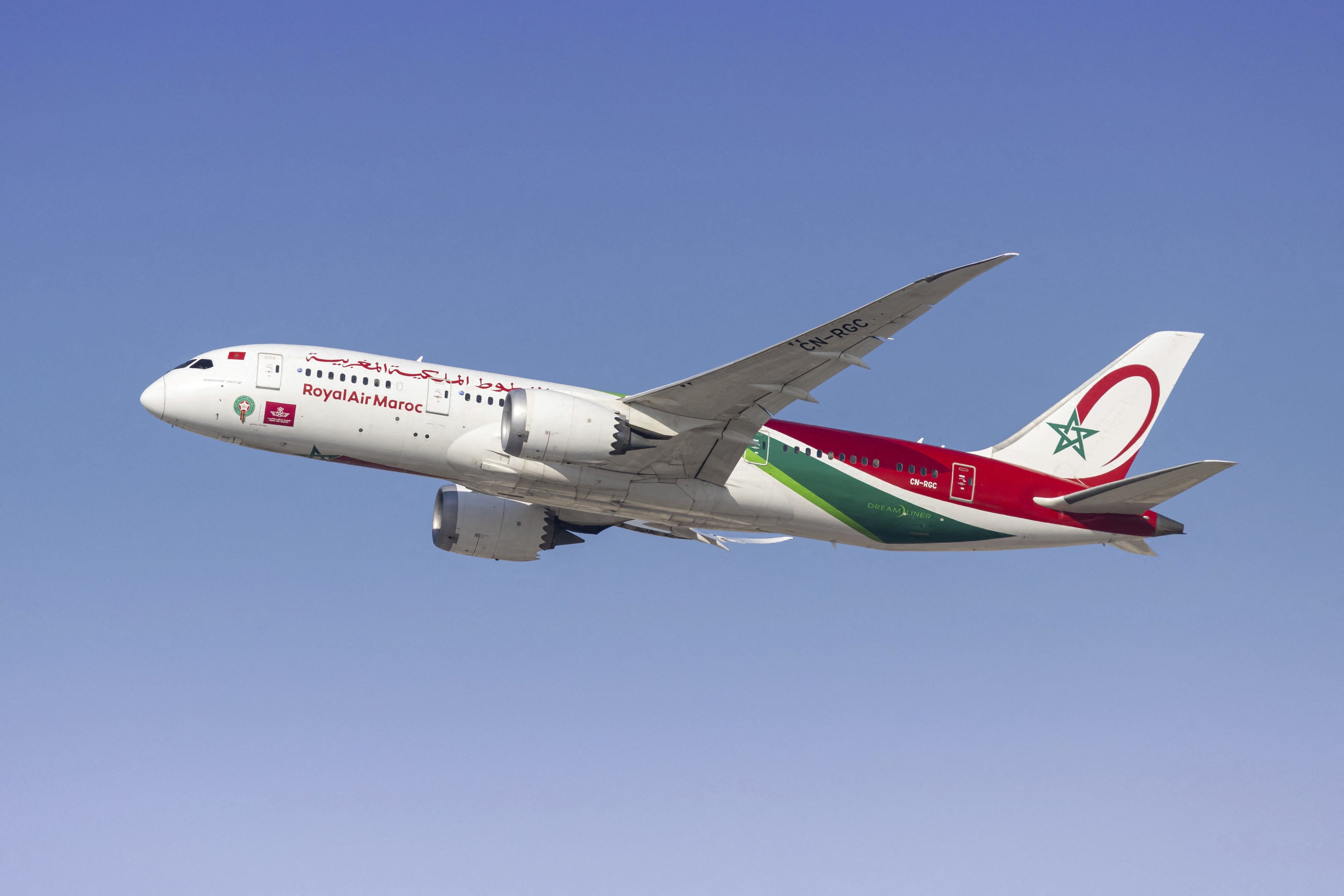
Morocco: why Royal Air Maroc is suspending several routes to Central Africa
The Moroccan national airline has announced the temporary suspension of six routes in Central Africa. This decision combines economic considerations, strategic reorganization, and health concerns.
The decision surprised some in the African aviation sector. In late May, Royal Air Maroc (RAM) announced the temporary suspension of six routes to several Central African destinations, a region that has nevertheless been considered a priority development axis for the airline for several years.
Officially presented as a provisional measure, this suspension comes in a context marked by increasing economic constraints and heightened health vigilance related to the resurgence of Ebola in certain areas of the continent.
Profitability has become more difficult
Like all African airlines, Royal Air Maroc is facing a persistent increase in its operating costs.
Fuel prices, maintenance costs, aircraft availability, and increased competition are weighing on carriers' margins.
Some African routes, although strategically important, are struggling to reach expected profitability levels.
In this context, several observers believe that the airline is seeking to optimize its network before the ramp-up of new development projects.
Increased health vigilance
The decision also comes as several Central African countries face increased surveillance around the Ebola virus.
Recently reported cases in the DRC and measures taken by several Western states have contributed to rekindling concerns in the aviation sector.
No official flight ban has been pronounced, but airlines are closely monitoring the evolution of the health situation.
For some of them, the temporary adjustment of services helps limit operational and commercial risks.
Morocco reorganizes its African hub
For over a decade, Casablanca has established itself as one of the main hubs connecting Africa to Europe, the Middle East, and North America.
Royal Air Maroc plays a central role in this strategy.
The suspension of certain routes could therefore be part of a temporary reallocation of capacity towards markets deemed more dynamic or more profitable.
This logic is all the more important as the airline prepares to ramp up its operations in anticipation of the 2030 World Cup, which Morocco will co-host with Spain and Portugal.
A signal for African aviation
Beyond the Moroccan case, this decision illustrates the challenges that air transport on the continent continues to face.
Despite regular traffic growth, many African routes remain economically fragile and sensitive to health or geopolitical shocks.
The balance between regional connectivity and profitability remains one of the main challenges for African airlines.
A suspension that may only be temporary
For now, Royal Air Maroc emphasizes the provisional nature of these closures.
The resumption of services will depend on several factors: demand evolution, health situation, and internal strategic decisions.
But this episode reminds us that even major players in African air transport must constantly adjust their presence in a market still marked by strong uncertainties.



Leave a comment
This site is protected by hCaptcha and the hCaptcha Privacy Policy and Terms of Service apply.