
Article: Guinea: Abdoulaye Yéro Baldé's return reshuffles the election
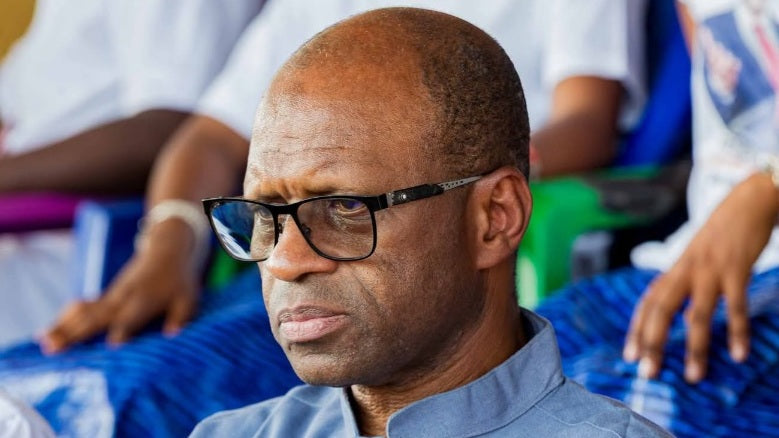
Guinea: Abdoulaye Yéro Baldé's return reshuffles the election
After denouncing irregularities in the electoral process, the Democratic Front of Guinea finally abandoned its boycott. This U-turn reignites speculation about the political balance ahead of the double election.
In Guinea, the decision by the Democratic Front of Guinea (FDG) to re-enter the electoral race surprised a section of the political class. On the evening of May 11, the party led by Abdoulaye Yéro Baldé announced that it would finally participate in the upcoming double election, after having long denounced the conditions under which the elections were being organized.
This change of position comes in a political climate marked by distrust between the opposition and transitional authorities.
A boycott that became difficult to maintain
For several weeks, the FDG had been publicly criticizing the irregularities surrounding the electoral process, citing concerns related to the organization of the ballot and institutional transparency.
The initial choice of a boycott aimed to delegitimize a process considered unbalanced.
But as the deadline approached, this strategy also presented a risk: that of leaving the political ground vacant to other forces involved in the competition.
A decision that questions the balance of power
The party's turnaround now raises several questions.
In Guinean political circles, some see it as the result of discreet discussions held in recent weeks between various institutional and political actors.
Others believe that the FDG is primarily seeking to preserve its political weight in an electoral sequence set to permanently restructure the country's balances.
Abdoulaye Yéro Baldé faces a new political sequence
A former minister and well-known figure on the Guinean political scene, Abdoulaye Yéro Baldé is trying to reposition his party in a changing environment.
The ongoing transition has profoundly altered traditional power dynamics, forcing political parties to adapt their strategies.
In this context, participating in the election can appear as a way to remain a central actor in the political landscape.
A fragmented opposition
The FDG's return to the electoral race also comes within a context of a fragmented opposition.
Several parties remain divided on the strategy to adopt towards the transitional authorities: participation, dialogue, or confrontation.
This lack of a common line weakens the ability of opponents to collectively influence the conditions of the election.
An election still under scrutiny
Despite this return, questions surrounding the electoral process remain.
The coming weeks will be decisive in assessing the authorities' ability to organize an election perceived as credible by all political actors.
Because beyond the case of the FDG, it is the legitimacy of the electoral sequence that remains at stake.


Leave a comment
This site is protected by hCaptcha and the hCaptcha Privacy Policy and Terms of Service apply.