
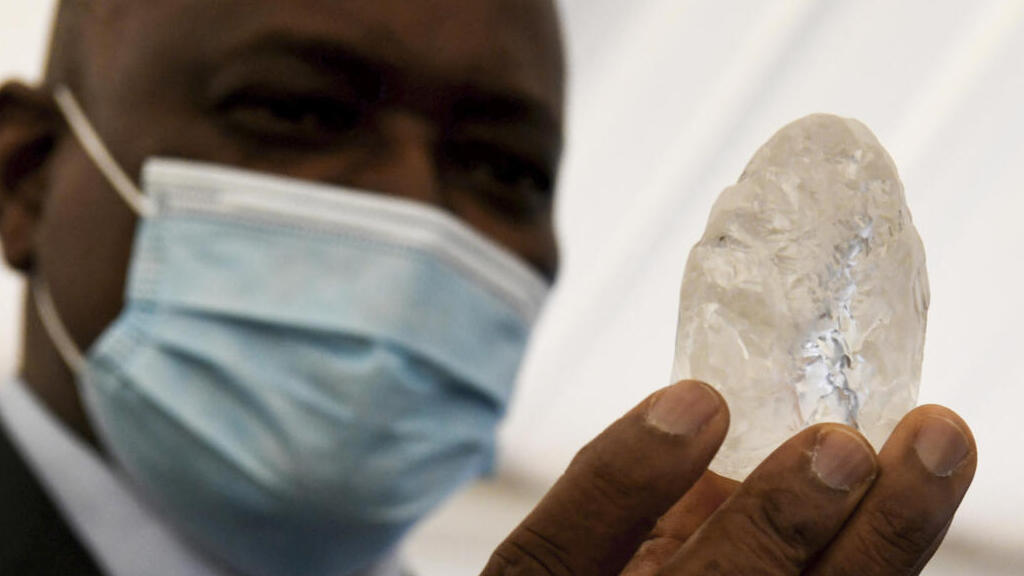
Botswana wants to regain control of De Beers: the diamond empire is faltering
Times are changing for diamonds
Between the Covid pandemic, sanctions against Russia, US tariffs, and the rise of synthetic stones, the market is experiencing an unprecedented crisis. As a result, prices are collapsing, and established giants are faltering.
At the heart of this storm, Botswana, the world's second-largest producer, is trying to regain control . Its government now wants to increase its stake in De Beers, the global diamond giant, from 15% to 50%.
A strategic shift
The objective is clear: to have greater control over production, exports and price setting, so as not to depend solely on decisions made in London or Johannesburg.
For decades, De Beers and Botswana have maintained a close partnership through the Debswana joint venture, but the balance is changing.
Gaborone believes that the country, which supplies most of De Beers' rough diamonds, should have a say in local processing and added value.
A battle begins
Synthetic stones, meanwhile, are reshaping the market. Cheaper and more “ethical,” they appeal to a younger clientele, especially in the West. At the same time, African producers are seeing their profit margins shrink.
By regaining control, Botswana wants to give political and economic meaning to its transparent gold: to make diamonds not just an export product, but a national industrial engine.
Between economic sovereignty and the realities of the global market, Botswana is playing a big game and could well become the first African country to dictate the price of diamonds.


Leave a comment
This site is protected by hCaptcha and the hCaptcha Privacy Policy and Terms of Service apply.