
Libya, shadow diplomacy in Paris: what the Élysée is planning
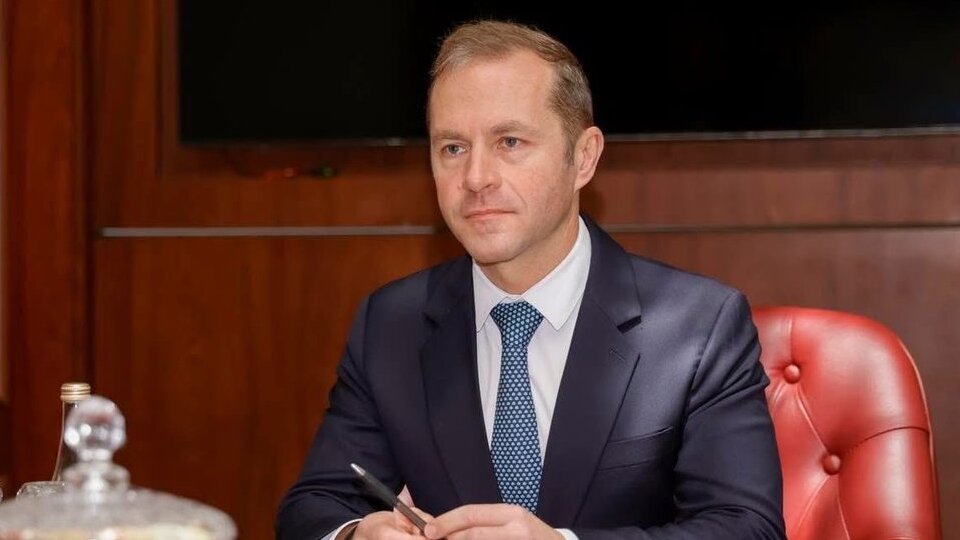
Nothing leaked out. Or almost nothing. In Paris, in a carefully orchestrated closed-door meeting, Paul Soler, Emmanuel Macron's North Africa and Middle East advisor, met with two key figures in the Libyan institutional landscape: the Speaker of Parliament and the President of the High Council of State. The official topic: the United Nations roadmap and the elections. The real topic: power. And how to regain it, in a country that has defied any democratic process for over a decade.
Paris as a de facto capital of political Libya
This isn't the first time Libya has been discussed far from Tripoli. Or even far from Benghazi. Over the years, Paris has established itself as a parallel diplomatic arena. Discreet. Subtle. But fraught with consequences. The meeting orchestrated by Paul Soler is part of this French tradition: speaking to everyone, striving for balance, even if it means blurring the lines.
Around the table sat two institutions meant to embody Libyan legitimacy. In reality, they were two rival structures, mired in disputes over prerogatives, unable to agree on the rules of the electoral game. This is precisely where France intends to intervene. As a facilitator. As an arbiter. Some would say as a self-serving strategist.
The UN roadmap serves as a framework. It has become a diplomatic mantra. But on the ground, it resembles a theoretical document, often invoked, rarely implemented. Paris knows this. And Paris is growing impatient.
Elections, a recycled promise of a phantom state
The word keeps coming up: elections. It reassures foreign ministries. It gives the illusion of a future. Yet, in Libya, it rings hollow. The elections announced for the end of 2021 never took place. Since then, every attempt to revive them has run up against the same wall: who can run, under what authority, with what security guarantees?
Paul Soler is well aware of this. His interview is less about organizing elections than about testing red lines. How far is Parliament willing to concede? Will the High Council of State accept a compromise on the constitutional framework? Behind these technical questions lies a harsh reality: no Libyan elite has any interest in a vote that could sweep it away.
France is therefore proceeding cautiously. Too cautiously, some would say. By agreeing to negotiate with contested institutions, it is endorsing a status quo that has benefited the same players for years. But the Élysée Palace is taking responsibility. A false consensus is better than deliberate chaos.
Macron, the UN, and the risky gamble of regained influence
This initiative from Paris is not isolated. It is part of a broader desire by Emmanuel Macron to reposition France on the Libyan issue, after years of strategic uncertainty. The ambiguous support for Marshal Haftar has left its mark, both in Tripoli and in New York.
Today, Paris officially aligns itself with the UN. At least in rhetoric. Coordination with the United Nations is emphasized. The UN roadmap is brandished as a compass. But French diplomacy retains its own objectives: stability, control of migration flows, security in the Sahel, and access to resources.
The gamble is risky. By holding numerous consultations without concrete results, France is exposing itself to increasing criticism: that of a talkative but powerless diplomacy. Worse, some Libyans see it as disguised interference, a way of keeping the country on political life support, without ever letting it decide through the ballot box.
Just another meeting, or the prelude to a new bargain?
Is this a turning point? It's far from certain. The meeting orchestrated by Paul Soler seems more like another episode in an endless saga. Just another dialogue. Just another promise. Meanwhile, Libya remains fragmented, armed, and vulnerable to foreign influence.
But ignoring these discussions would be a mistake. For it is often in these Parisian salons, far from the cameras, that future compromises are forged. Good or bad. Lasting or explosive.
The question remains: is France truly seeking to support a democratic transition, or simply to safeguard its interests in a country it refuses to see completely slip from its sphere of influence? The answer isn't found in press releases. It will be revealed in actions. And at the ballot box. If it ever takes place.


Leave a comment
This site is protected by hCaptcha and the hCaptcha Privacy Policy and Terms of Service apply.