
Tunisia, fifteen years after the jasmine faded
On December 17, 2010, a body burst into flames in Sidi Bouzid. Mohamed Bouazizi , a humiliated street vendor, set himself on fire. The act was irreversible. It ignited Tunisia, and then the Arab world. Fifteen years later, history has taken a brutal turn. Dictatorship has returned through the ballot box. The jasmine has withered. One burning question remains: what was the purpose of the Tunisian revolution?
Bouazizi, or the founding act of a collective cry
It all begins with a refusal. The refusal to bow down. Mohamed Bouazizi is neither an activist nor an ideologue. He is poor. Invisible. Crushed by police brutality. When his fruits are seized, when his dignity is trampled, he has nothing left but his body to protest. He offers it to the flames.
This radical gesture became a symbol . Tunisia rose up. The streets roared. Slogans rang out: Work, freedom, national dignity. Three simple words. Three immense promises. The Ben Ali regime, mired in its corruption and brutality, faltered and then collapsed.
For a few weeks, Tunisia taught the Arab world a lesson. A people drove out their tyrant. Without weapons. Without a single leader. The echo crossed borders. Egypt, Libya, Syria, Yemen. The Arab Spring was born.
But history is never linear. It is cruel. It takes back what it gives.
Democratic hope, then the weariness of the people
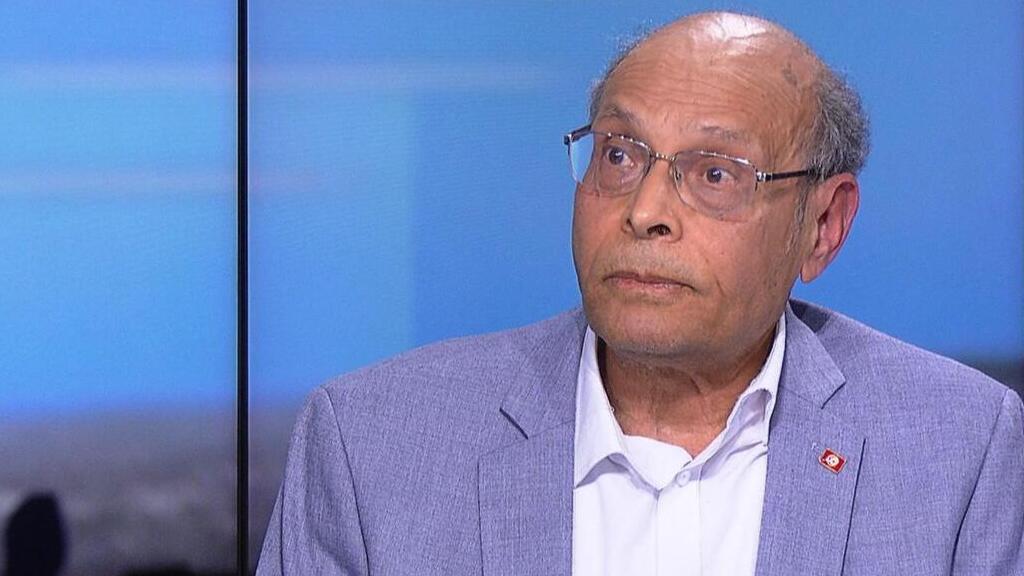
After Ben Ali, Tunisia attempted something unprecedented: free elections, a progressive constitution, debates, and compromises. Moncef Marzouki became the first democratically elected president, an austere figure, principled, criticized, but symbolic.
Yet, very quickly, doubt sets in. The economy stagnates. Unemployment skyrockets. Young people continue to flee. The political elites become bogged down in Byzantine squabbles. The people watch. Wait. Then grow weary.
Democracy is demanding. It requires time, education, and trust. Tunisia has neither the luxury of time nor that of regional stability. Terrorism strikes. Investors are withdrawing. The state is weakening.
It is in this fertile ground that Kais Saied thrives. A lone man. A simple message. A visceral rejection of political parties. He promises to return power to the people. He seizes it.
Today, Tunisia lives under an openly authoritarian regime. Parliament is silenced. Opponents are imprisoned. The judiciary is under pressure. Moncef Marzouki is in exile. A tragic irony: the man who embodied the post-dictatorship era has been ousted by a power that emerged from democracy.
A revolution betrayed, or a bitter lesson from history?
So, what remains of December 17th? A date. A myth. And a deep bitterness.
The Tunisian revolution did not fail because the people were mistaken. It failed because it was abandoned. By local elites. By a hypocritical international community. By a global economic system that tolerates democracy as long as it doesn't cause trouble.
Kais Saied is not an anomaly. He is the product of collective despair. When democracy fails to provide sustenance, authoritarianism offers reassurance. A dangerous illusion.
Fifteen years after Bouazizi, Tunisia is once again silenced. But history is never truly over. The embers still smolder. The fire could reignite.
The Jasmine Revolution is not dead. It is dormant. And dictatorships know it. They never sleep soundly.



Leave a comment
This site is protected by hCaptcha and the hCaptcha Privacy Policy and Terms of Service apply.